
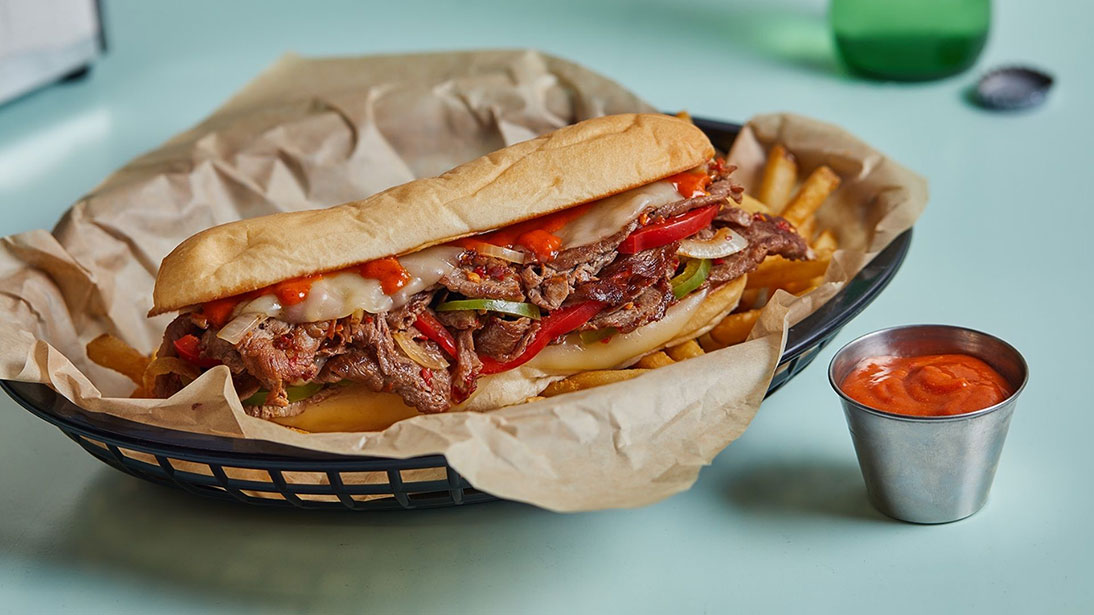
3 Trending Pepper Sauce Ideas to Refresh Your Menu
There’s simply no slowing the spicy heat train when it comes to modern flavor development. Foodservice customers can’t get enough, and restaurant chain operators are continually on the hunt to deliver complex pepper-forward flavors in the widest variety of menu item builds, from breakfast bowls to midday wraps to entrée proteins.
Recent research from Datassential emphatically affirms this trend: 95.3% of restaurant menus today feature spicy food options. In fact, the word “spicy” is now featured on more menus than any other descriptor, after “fruit” and “vegetable.”
Meeting the insatiable demand for hot, hotter, hottest ahead of the competition down the street is a top goal for many operators. But a long development process—whether for core menus items or LTOs—can kill momentum and limit potential impact.
Operators are turning to easy-lift, plus-one menu transformations to gain and retain the advantage.
What Is a Plus-One Flavor Application?
A plus-one ingredient is a menu innovation technique that enhances an existing base—such as mayonnaise, yogurt, honey or a prepared sauce—with one additional ingredient to create a new flavor experience. Foodservice operators use plus-one applications to develop signature spreads, dips, marinades, drizzles and sauces without adding significant labor, equipment or inventory.
Since the base ingredient is already in the kitchen pantry, plus-one applications make it easier to refresh menus, test limited-time offers (LTOs) and introduce new flavors with minimal operational disruption.
Operational efficiency is a top benefit of the plus-one approach. Relying on bases already on hand eliminates the need for complex recipe formulations, allowing kitchen teams to easily recreate the new component consistently and at scale. There’s also no reason to bring in numerous extra SKUs.
3 Trending Pepper Sauces Operators Are Using Today
With spicy heat the desired end game, ready-to-use pepper pastes and sauces are the operator go-to in plus-up menu strategies. Analysis from Datassential identifies three popular applications that are proving highly effective:

1. Pepper-Forward Aioli Spreads

2. Harissa and S’chug Yogurt Sauces
Yogurt sauces are at the heart of Middle Eastern and Mediterranean cuisines. Operators are leaning into the hallmark flavors of the region with unique dips and sauces made by simply mixing plain Greek yogurt with a harissa– or s’chug-flavored pepper paste. The sauces are used to dress entrees and handhelds or as a dipping sauce for appetizers.

3. Swicy Drizzles and Marinades
Consumers—especially Gen Z—may be calling for greater levels of heat, but they also show a preference for moderating that heat with a bit of sweet. Sweet-spicy drizzles are an easy plus-up application, adding a pepper paste or pepper sauce to agave, honey or maple syrup. The result is a delicious marinade or finishing sauce for pizza and flatbreads, veggies and wings.
Choosing the Right Pepper Sauce for Your Operation
While foodservice kitchens boast a range of plus-up base ingredients already on hand, proper pairing requires some experimentation. Successful menu developers know it’s crucial to identify ready-to-use pepper pastes or sauces that feature the nuanced flavor profile that complements either the current menu line-up, the vision for new menu expansion or both.
The SupHerb Farms portfolio features distinctive pepper pastes and sauces, such as: Jalapeno Pesto (S’chug), Moroccan Harissa, Mexican Ancho Chile with Lime, Sambal, Smoky Pepper Paste and a ready-to-use Creamy Jalapeno Pesto Sauce (packaged in convenient 1-lb. pouches that eliminates the need to create an inhouse plus-one).
Each delivers bold, complex pepper flavor. Look to SupHerb Farms as your partner in innovation, identifying the flavor profiles with the greatest potential for your menu objectives.
Frequently Asked Questions About Pepper Sauce Applications
1. How are foodservice operators using pepper sauces for menu innovation?
Foodservice operators are using ready-to-use pepper sauces and pepper pastes to quickly create new menu components and flavor experiences. Common applications include blending harissa or s’chug with yogurt to create dipping sauces, mixing pepper sauces with mayonnaise to develop signature sandwich spreads and combining spicy pepper pastes with honey, agave or maple syrup to create sweet-and-spicy drizzles. These plus-one applications help operators refresh menus and launch LTOs without introducing significant labor or additional ingredient SKUs.
2. How can operators add spicy flavors without adding labor?
Operators can add spicy flavors without increasing labor by using ready-to-use pepper sauces and pepper pastes in plus-one applications. Instead of preparing sauces from scratch, culinary teams can combine existing ingredients like mayonnaise, yogurt or sour cream with products such as harissa, s’chug or sambal. This approach allows operators to introduce bold flavor, create signature menu items and refresh existing recipes while minimizing prep time, labor requirements and ingredient complexity.
3. What are the benefits of ready-to-use pepper sauces?
Ready-to-use pepper sauces help operators introduce bold flavors while simplifying kitchen execution. Key benefits include:
- Faster menu innovation and LTO development by transforming existing menu items with minimal effort.
- Reduced labor and prep time by eliminating the need to chop, blend or formulate sauces from scratch.
- Fewer ingredient SKUs by leveraging ingredients already in the kitchen through plus-one applications.
- Consistent flavor and quality across locations and menu items.
- Versatility across multiple applications, including sandwiches, wraps, bowls, pizzas, flatbreads, vegetables, proteins and dipping sauces.
4. What is the easiest way for foodservice operators to create a signature sauce?
One of the easiest ways to create a “made in-house” signature sauce for a restaurant chain menu is to use a plus-one application. A plus-one application combines a base ingredient already found in the kitchen pantry—such as mayonnaise, sour cream, ranch or yogurt—with a ready-made sauce or paste, such as harissa, s’chug or smoky pepper paste. This approach allows foodservice operators to create distinctive flavor profiles without adding significant labor, equipment or ingredient SKUs – while still being able to make “made in-house” claims with a signature sauce. The resulting sauce can be used across multiple menu applications, including sandwiches, wraps, bowls, soups, pizzas and dipping sauces, making it an efficient way to support menu innovation and limited-time offers.
For example, blending mayonnaise with harissa creates a spicy sandwich spread, while combining Greek yogurt with s’chug creates a flavorful dipping sauce for appetizers, handhelds and entrées.