
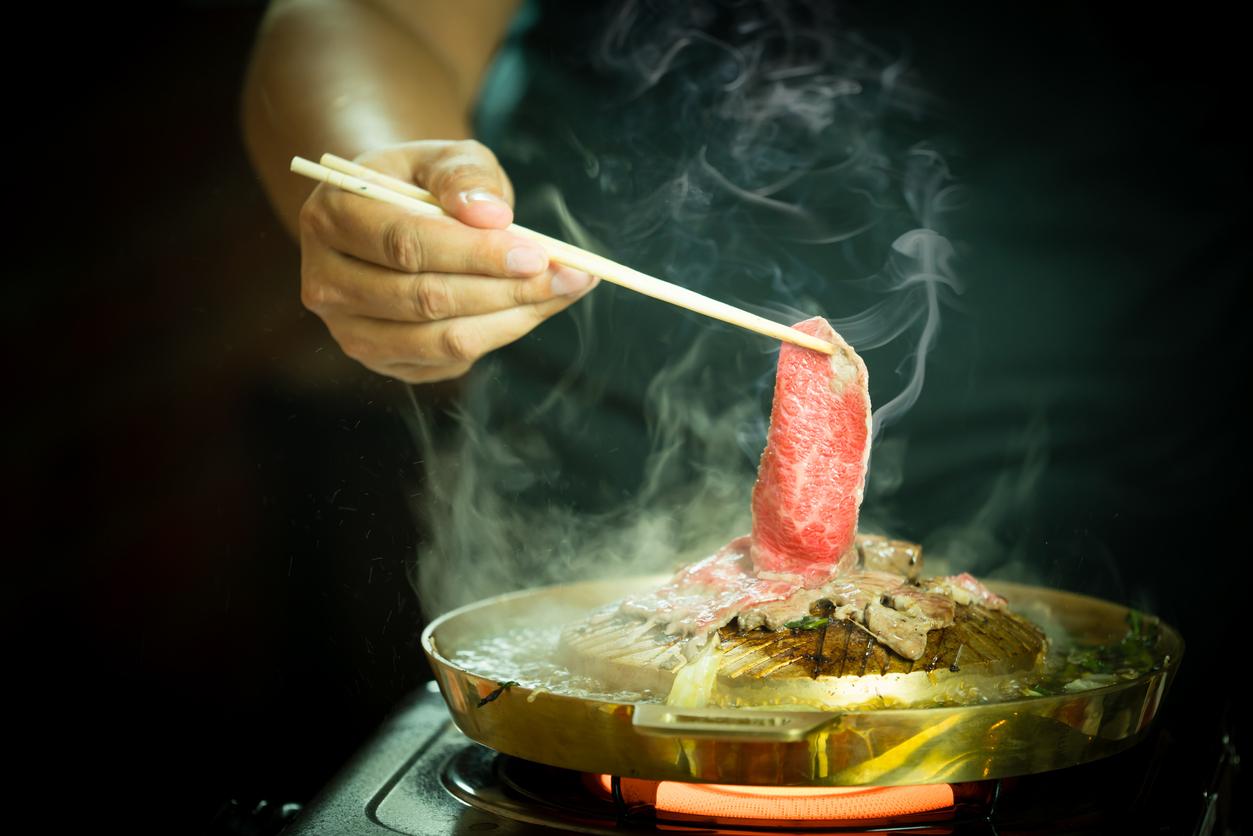
Aromas That Sell: The Rise of the Scent-Driven Food Trend
Did you know that scientists say smell accounts for 70-90% of flavor?1
For years, the food industry has focused on visual appeal—plating dishes to be “Instagrammable” and designing beverages with vivid, eye-catching hues. However, a shift is brewing: consumers are now turning their attention to the power of aroma. Recent research shows that over 60 percent of consumers rank smell as one of the most critical factors in deciding what to eat or drink.2
Flavor remains paramount, and visual presentation adds to the sensory allure. But the often-overlooked sense of smell is emerging as a key driver in consumer decision-making. The aromatic waft of freshly baked Cinnabon® rolls or McDonald’s® French fries has long demonstrated the power of scent-driven marketing. In 2025, this trend is evolving further as foodservice operators and manufacturers tap into aroma to create more immersive and memorable products and dining experiences.
What Are “Aromatic Cues”?
Aromatic cues refer to the scents released by foods and beverages that influence our perception of flavor. They play a crucial role in how we experience taste. This phenomenon is due to volatile oils—organic compounds found in many foods that are released into the air and interact with olfactory receptors in the nose.
Volatile oils are the reason you can smell the spicy, sharpness of freshly grated ginger or the herbaceous, anise-rich aroma of fresh basil.They not only enhance the flavor of a dish but also trigger emotional and nostalgic responses, making meals more memorable. By leveraging these aromatic cues, culinary professionals can elevate their offerings and leave a lasting impression on consumers.

Why Now?
The renewed focus on aroma is driven by several cultural and scientific factors:
Post-COVID Awareness:
With many individuals experiencing anosmia (loss of smell), the pandemic heightened society’s awareness of the sense of smell. This underscored the importance of aroma in daily life, making it a priority for consumers who want to savor every sensory detail.
Plant-Based and Clean Label Trends:
As natural, minimally processed ingredients become more popular, aromatic elements like fresh herbs, spices, and fermented ingredients (e.g. preserved lemons, kimchi, and miso) provide an opportunity to amplify flavor without artificial additives.
Sensory Immersion:
Consumers are seeking deeper, multi-sensory experiences—a trend spotted over a decade ago. Aroma-rich foods tap into this desire by engaging more senses, creating a fuller and more immersive culinary moment.

Opportunities for Menus
Foodservice operators, meal-kit companies, convenience stores, and grocery perimeter sections can all leverage the aroma trend. Here’s how:
1. Highlight Aromatic Preparations:
Incorporate ingredients like roasted garlic, caramelized onions, or herbs to release tantalizing scents.
3. Signature Aromas:
Develop proprietary spice-herb blends or sauces with strong aromatic profiles that define your brand.
5. In-Store Experiences:
Grocery stores can use aroma-focused demos, like freshly baked bread or herb-infused olive oils, to captivate shoppers.
2. Interactive Dining:
Allow diners to finish dishes tableside—think sizzling fajitas or soups with flavorful garnishes.
4. Take-Home Kits:
Meal-kit companies can include instructions for toasting spices or finishing dishes with fragrant toppings to enhance at-home experiences.

Implications for Food Manufacturers
While packaged foods present challenges for showcasing aroma, there are still ways manufacturers can capitalize on this trend:
Scent-Forward Marketing:
Use language on packaging and advertising that emphasizes aroma-rich ingredients.

Challenges and Considerations
Building aromatic dishes requires thoughtful ingredient selection and preparation techniques:
Ingredient Quality:
Freshness matters. Fresh and dry ingredient formats of fragrant ingredients, such as garlic, ginger, and herbs, lose their aromatic potency over time.
Application Challenges:
Cold dishes and beverages, which typically have less aromatic impact, require creative solutions like infusing oils or using highly fragrant ingredients.
Consistency:
Aroma can vary depending on ingredient sourcing and preparation methods, so maintaining consistency is key.

The Consumer Appeal of Aromatic Foods
Why do consumers love aromatic foods? The answer lies in the emotional and sensory connections they evoke. Aromatic dishes can:
Trigger Nostalgia:
The smell of cinnamon may remind someone of holiday baking, while the aroma of fresh basil evokes memories of summer gardens.
Enhance Perceived Freshness:
Fragrant herbs, peppers, vegetables, and spices signal natural, high-quality ingredients, appealing to health-conscious consumers.
Create Anticipation:
Scent is often the first sensory interaction with food, building excitement before the first bite.
Engage Multiple Senses:
Aroma enhances the overall dining experience, making it more immersive and memorable.

Looking Ahead
Aroma is no longer an afterthought—it’s a key factor in culinary innovation. By prioritizing aromatic ingredients and techniques, the food industry can create more engaging, sensory-driven experiences that delight consumers and keep them coming back for more.
SupHerb Farms is your partner in innovation to help you bring fragrant offerings to life with our aromatic, flavorful culinary ingredients. Explore our diverse portfolio of ingredients or reach out to us for a completely custom solution.
1 Source: Holmes, B. (2017). Flavor: The science of our most neglected sense. W.W. Norton & Company.
2 Menu Matters, Consumer Survey, July 2024.