

The Rise of Green Sauces: A Trend Taking Menus by Storm
As food trends continue to evolve, 2025 is shaping up to be the year of “saucy green.” For culinary professionals, this isn’t about inventing something totally new—green, herb-forward sauces are as old as time. From French, Escoffier classics like beurre maître d’hôtel to Caribbean mojo sauce, the backbone of Cuban cuisine, or Calabria’s beloved salmoriglio, ladled on grilled swordfish for centuries, these sauces have long been culinary staples.
What’s new about the “saucy green” trend is how it breathes innovation into these time-honored sauces, bringing them back to the fore while also reimagining them with global ingredient twists and modern fusion applications and interpretations. Like the corn caramelle dish at Maxwells Trading* in Chicago, served with a Thai basil-pistachio pesto, or the elevated jalapeño & scallion hush puppies with cilantro crema at Compère Lapin* in New Orleans.

As consumers continue to seek natural and plant-forward options, green sauces are stepping into the spotlight. Delivering vibrant flavors, healthful appeal and visual intrigue to menus nationwide. This trend aligns with broader cultural movements celebrating the color green—from wellness to sustainability—and offers foodservice operators and manufacturers an opportunity to tap into the growing demand for fresh, versatile flavors.
Download our full 2025 F&B report for more culinary examples of Saucy Green.
What Is the “Saucy Green” Trend?
The “saucy green” trend refers to the growing popularity of savory green sauces in food applications. These sauces are characterized by their vibrant color, fresh ingredients, and classic flavors, often featuring a blend of green herbs, citrus, green vegetables, oils and sometimes spices.

- Traditional Green Sauces: Pesto, pistou, and salsa verde.
- Global Influences: Chimichurri, Cuban mojo, Middle Eastern s’chug (zhug), Caribbean green sauce and Thai herb-chili sauces.
- Green Spins on Familiar Condiments: Think green ketchup, basil aioli, or avocado crema.
“The major call-out here is that not only can these sauces serve as functional garnishes packed with flavor, but their green hue evokes healthfulness and freshness which are key attributes for today’s conscious diners.” – Chef Scott Adair, Director of Culinary at SupHerb Farms
Why Now?
Several factors have converged to make “saucy green” a defining trend for 2025 and beyond:
Plant-Forward Movements:
Consumers are increasingly drawn to plant-based and plant-forward options. Green sauces offer a way to incorporate herbs and vegetables while delivering flavor-packed impact.
Cultural Shifts:
Green is having a moment in design, fashion, and wellness, symbolizing health, nature, and sophistication. These cultural associations enhance the appeal of green sauces.
Global Flavors:
As diners continue to explore international cuisines, green sauces offer an accessible entry point to bold, global flavor profiles.
Chef Spotlight
Visual Appeal:
The vibrant green color creates striking dishes that are Instagram-ready, catering to consumers’ appetite for visually engaging food.
Health Perceptions:
Green sauces, often made with whole ingredients, align with consumer preferences for clean-label, minimally processed foods.

Yotam Ottolenghi*
Who better to showcase green sauce greatness than the culinary herb-loving maestro himself—Chef Yotam Ottolenghi?* Yotam Ottolenghi, an Israeli-born British chef, is the author of acclaimed cookbooks including Simple, Plenty, Jerusalem, and NOPI. His work has earned prestigious awards, including Cookbook of the Year from the IACP and a James Beard Foundation honor.
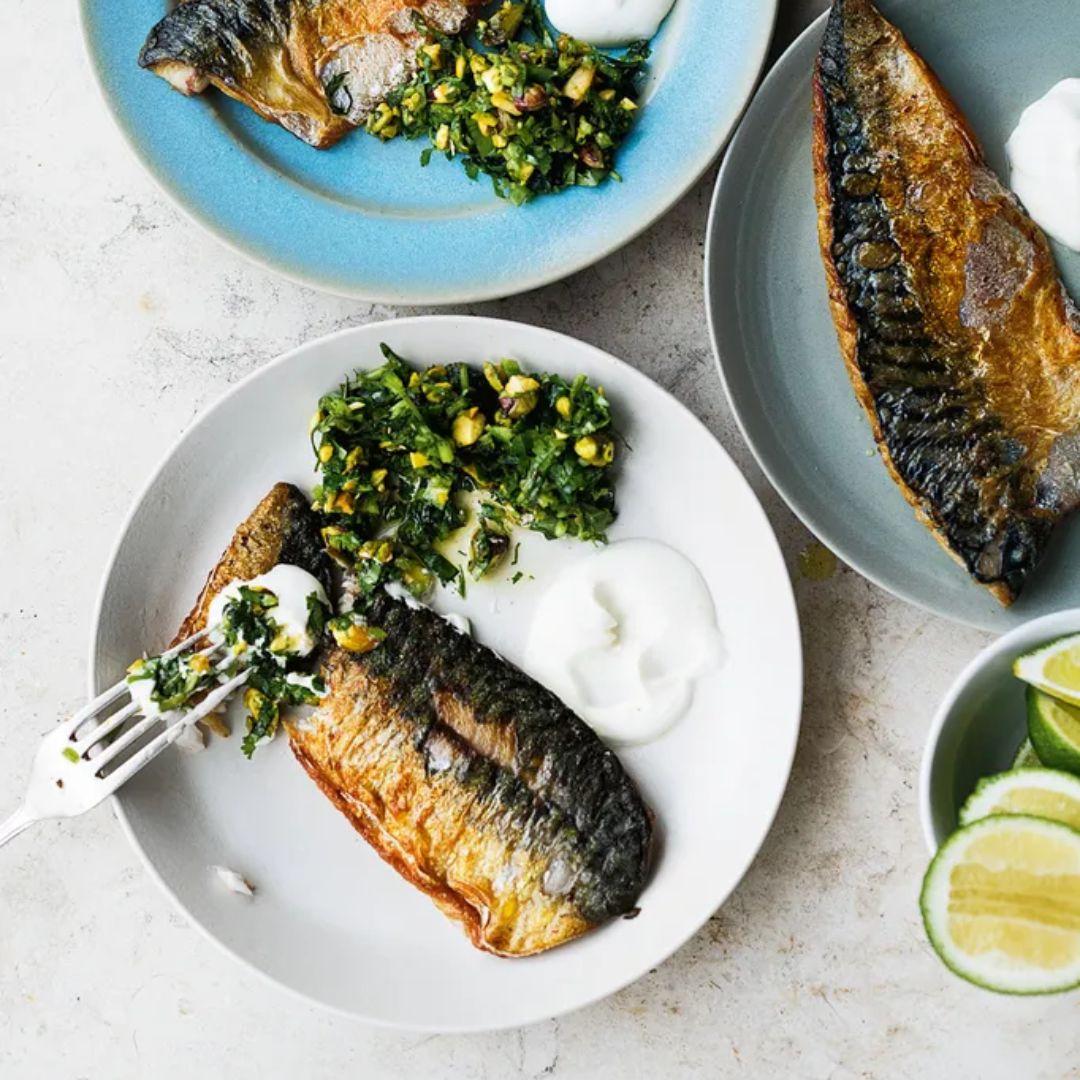
Yotam’s recipes famously celebrate the harmony of citrus and green herbs in brilliant and inspiring applications, like…
Lime salsa served with a sweet potato mash

Pistachio and cardamon salsa served with mackerel

Opportunities for Menus
Foodservice operators, meal-kit companies, c-stores, and grocery perimeter businesses can leverage “saucy green” in a variety of ways:
1. Customizable Bowls:
Incorporate trending green sauces like kale pesto or chimichurri into grain bowls, salad bars, or poke bowl offerings.

2. Signature Condiments:
Develop house-made green sauces to serve with sandwiches, tacos, or fries, creating a unique brand identity.
3. Globally Inspired Dishes:
Add s’chug (zhug) or green Thai herb sauce to menus to offer bold, globally influenced flavors.

4. Breakfast Innovation:
Use green sauces with avocado toast, eggs benedict, breakfast burritos, or omelets to elevate morning offerings and to tap into the growing global breakfast trend.

5. Ready-to-Eat Solutions:
Include green sauces in grab-and-go items, such as pre-made wraps or snack packs

Looking for even more menu inspiration? Right this way.
Implications For Food Manufacturers
For food manufacturers, “saucy green” presents an opportunity to innovate with products that cater to this growing trend. Consider these areas for development:
Pre-Packaged Sauces:
Launch clean-label, plant-based green sauces like basil pistou, avocado crema, or cilantro lime mojo.
Frozen or Shelf-Stable Options:
Offer green sauces as part of meal kits or frozen entrée solutions.
Portioned Sauce Pouches:
Offer convenient portioned green sauce pouches for meal kits or on-the-go consumers.
Green Condiment Spins:
Develop green ketchup, green hot sauces (green sriracha is trending!), or herb-infused mayonnaises for retail and foodservice.
Flavor-Infused Oils:
Create green, herb-infused oils for drizzling, cooking, or dipping, adding a premium touch to products.

Challenges and Considerations
The “saucy green” trend offers major opportunities for the food industry, but it also comes with challenges:
Ingredient Sourcing:
High-quality, fresh herbs can be inconsistent and costly and require time-intensive prep and careful supply chain management. IQF herbs offer a significantly longer shelf life, reducing waste, and ensure consistent quality year-round.
Cultural Sensitivity:
Global green sauces, such as s’chug (zhug) or salsa verde, should be marketed with respect to their cultural origins to avoid appropriation.
Color Stability:
Maintaining the vibrant green hue in pre-packaged sauces can be tricky without artificial additives. Both fresh and IQF herbs deliver bright, fresh flavor and vibrant color, making them essential for creating visually appealing green sauces.
Consumer Education:
Some lesser-known green sauces may require staff-training or marketing efforts to familiarize consumers with their flavors and uses. “To introduce trending, lesser-known sauces with cross-generational appeal, start with a familiar format like flatbread, fries, or tacos. Balancing the familiar with the adventurous piques interest while keeping consumers comfortable,” remarks Chef Scott Adair, Director of Culinary at SupHerb Farms

The Consumer Appeal of Green Sauces
The rise of “saucy green” resonates with consumers for several reasons:
Health Perceptions:
Green sauces are seen as fresh, natural and nutrient-rich, appealing to health-conscious diners.
Flavor Adventure:
Whether mild and herbaceous or tangy and spicy, green sauces provide a burst of flavor that satisfies adventurous palates.
Customizable Appeal:
Green sauces offer endless versatility, allowing diners to personalize their meals.
Visual Intrigue:
The vibrant color adds visual appeal, making dishes more photogenic and shareable.
Sustainability Connection:
Green sauces align with the broader trend of eco-consciousness, evoking nature and sustainability.

Looking Ahead
The “saucy green” trend is not a passing fad—it’s a reflection of evolving consumer values around health, sustainability, and global exploration. As diners continue to seek fresh, natural, plant-forward, and visually appealing options, green sauces will play a key role in menu innovation for the decades to come.
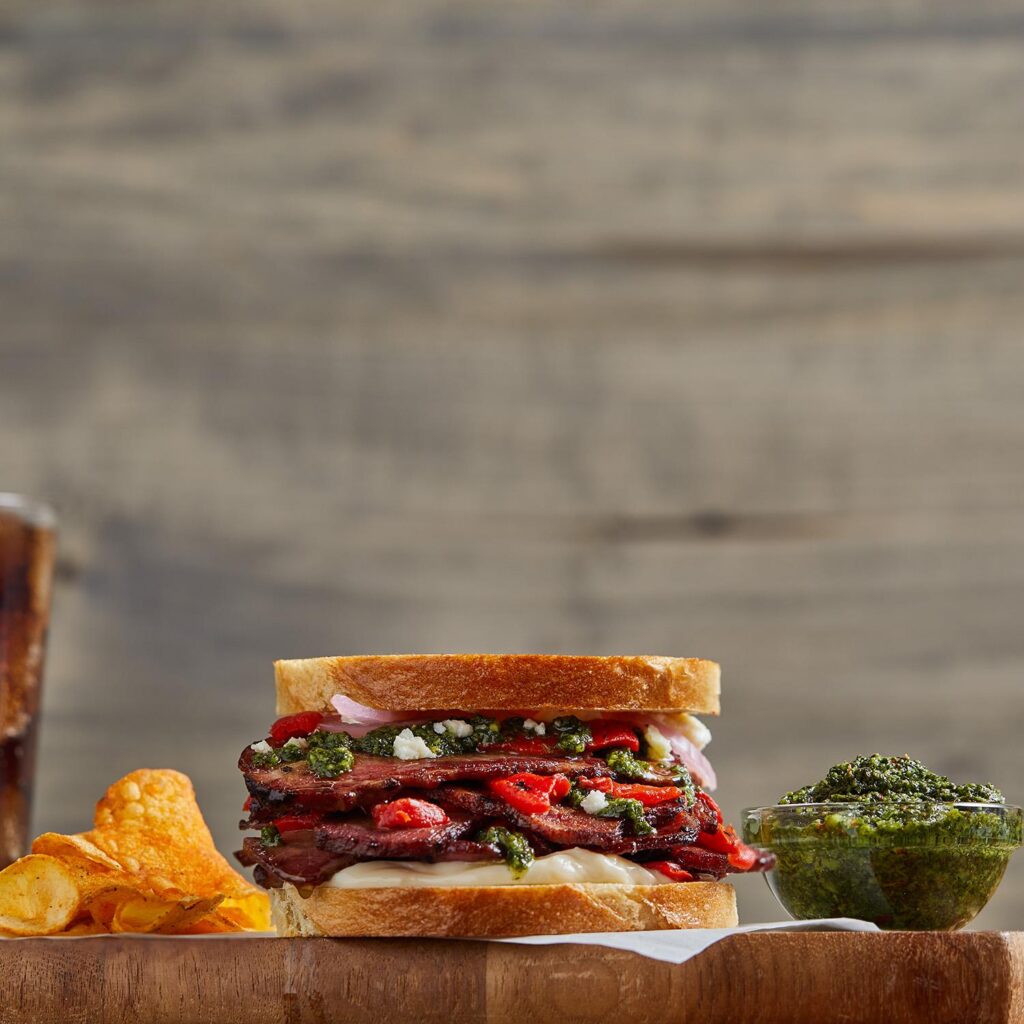
For foodservice operators and manufacturers, embracing “saucy green” offers a chance to stay ahead of the curve, delivering products and dishes that captivate consumers and set new standards for flavor and presentation. Whether through vibrant basil pasta bowls, zesty chimichurri steak sandwiches, or bold s’chug-infused glazes and condiments, green sauces are poised to dominate the culinary landscape well beyond 2025.
SupHerb Farms is your partner in innovation to help you bring green sauces to life with flavorful culinary ingredients and turn-key, ready-to-use sauces. Explore our diverse portfolio of ingredients or reach out to us for a completely custom solution.
*These menu and chef examples are for educational purposes only. SupHerb Farms does not suggest affiliation with nor endorsement by these skilled chefs or restaurant chains.