
The Rise of Third-Culture Cuisine: A Culinary Trend that Redefines Authenticity
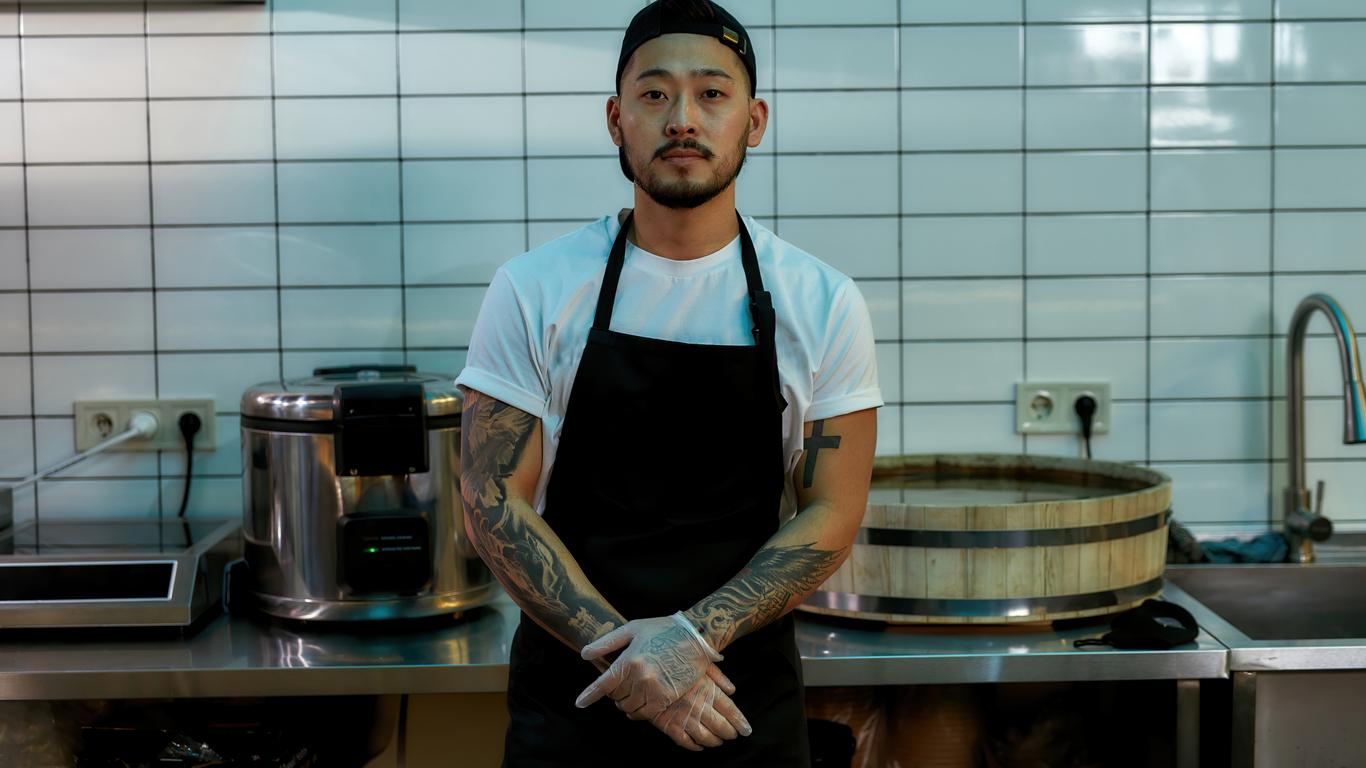
As the food and beverage industry evolves, so too do consumer expectations. The spotlight is on a movement reshaping how we think about culinary authenticity: Third-Culture Cuisine. This trend is led by chefs who, instead of being boxed into traditional definitions of authenticity, are embracing the entirety of their heritage, global training, and multicultural experiences.
For foodservice operators, this movement offers an opportunity to deliver deeply personal, globally inspired dining experiences with a chef story and for food manufacturers this is an opportunity to produce food and beverage products with innovative global fusion that resonate with today’s adventurous consumers.

“Blending different culinary signifiers, whether that’s tortillas and kimchi or a burrito and Indian food, and putting them together in a way that turns them into something entirely new and exciting—that’s very American. It’s the literal melting pot!”
What Is Third-Culture Cuisine?
The term “third-culture” originates from sociology, referring to individuals who grow up in a culture different from their parents’ or homeland. Applied to food, Third-Culture Cuisine reflects the melting pot of flavors, techniques, and experiences that chefs with diverse backgrounds bring to the table. It’s an approach that combines nostalgic comfort foods with cutting-edge culinary techniques, offering both personal storytelling and unique flavor profiles.
Third-Culture Cuisine represents a shift away from the rigid definitions of authenticity that have dominated culinary conversations in the past. Instead of being confined to a single culinary tradition, chefs draw from their upbringing, heritage, and global experiences to create dishes that are deeply personal yet universally appealing.

“Chefs know authenticity isn’t about strict tradition—it’s about honoring the culinary journey. Third-Culture Cuisine lets chefs blend our heritage, global training, and personal stories to create dishes that are both deeply nostalgic and boldly innovative.”
CHEF SCOTT ADAIR
Director of Culinary at SupHerb Farms
Why Now?
The rise of Third-Culture Cuisine is partly a response to the debates surrounding “authenticity” in food. For years, chefs and consumers alike have grappled with what it means for a dish to be “authentic.” Does authenticity mean adhering strictly to traditional recipes, or is it about honoring the spirit of a cuisine while adapting it to modern tastes?
For third-generation chefs—many of whom grew up in multicultural neighborhoods and were exposed to diverse traditions, flavors and techniques—authenticity is a fluid concept. These chefs reject the idea that they must choose one cuisine to represent their identity. Instead, they celebrate the entirety of their experiences, creating dishes that are as multifaceted as they are.
Chef Spotlight


Photo Credit: Roi Choi,
Food & Wine Festival
Photo Credit:
MasterClass, Food
Roy Choi*
Born in South Korea and raised in southern California, Choi revolutionized street food in 2008 with Kogi, a Korean taco truck blending bold Korean flavors with Mexican formats. His iconic Korean kalbi short rib taco—topped with salsa and slaw—is a perfect example of his approach: bold, inventive and refreshingly unfussy.
As society becomes more interconnected, consumers are increasingly open to exploring flavors that reflect the blending of cultures. Third-Culture Cuisine aligns perfectly with this mindset, offering dishes that feel both comforting and adventurous.
Nostalgic Comfort Meets Innovation
One of the most compelling aspects of Third-Culture Cuisine is its ability to balance nostalgia with innovation. For chefs, these dishes often evoke memories of childhood or family traditions. However, the experience for diners is entirely new and exciting, as familiar flavors are presented in unexpected ways.

Take, for example, the Mojo Pork Bao Bun at Third Culture Kitchen* in Titusville, FL. This dish marries the citrusy, garlicky flavors of Cuban mojo pork with the soft, pillowy texture of a Chinese bao bun. Topped with escabeche, jalapeño cream, cilantro, and queso fresco, it’s a dish that feels both comforting and adventurous.

Mojo Pork Bao Buns with Fresh Cilantro
Similarly, the Mochi Brownies from Third Culture Bakery* in San Francisco blend Japanese rice flour with French-style butter and California cocoa powder, creating a dessert that is chewy, rich and utterly unique.

Mochi Brownie | Photo Credit: Third Culture Bakery
These dishes illustrate how Third-Culture Cuisine transcends borders, combining ingredients and techniques in ways that honor their origins while creating something entirely new.
Download our full 2025 F&B report for more culinary examples of Third-Culture Cuisine.
Opportunities For Menus
For foodservice operators, meal-kit companies, c-stores, and grocery perimeter, embracing Third-Culture Cuisine offers a way to stand out in a crowded marketplace. Here’s how this trend can be leveraged:
1. Create Signature Dishes That Tell a Story
Third-Culture Cuisine is deeply personal, and consumers are drawn to the stories behind the food. Use menu descriptions, social media, and even in-person interactions to share the inspirations behind their dishes. For example, a chef might explain how their signature Mexican katsu sando—a trending, Japanese breaded pork cutlet sandwich with a unique smoky pepper-infused katsu sauce—represent the blending of their Japanese heritage and their upbringing in New Mexico.

2. Embrace Menuing Flexibility
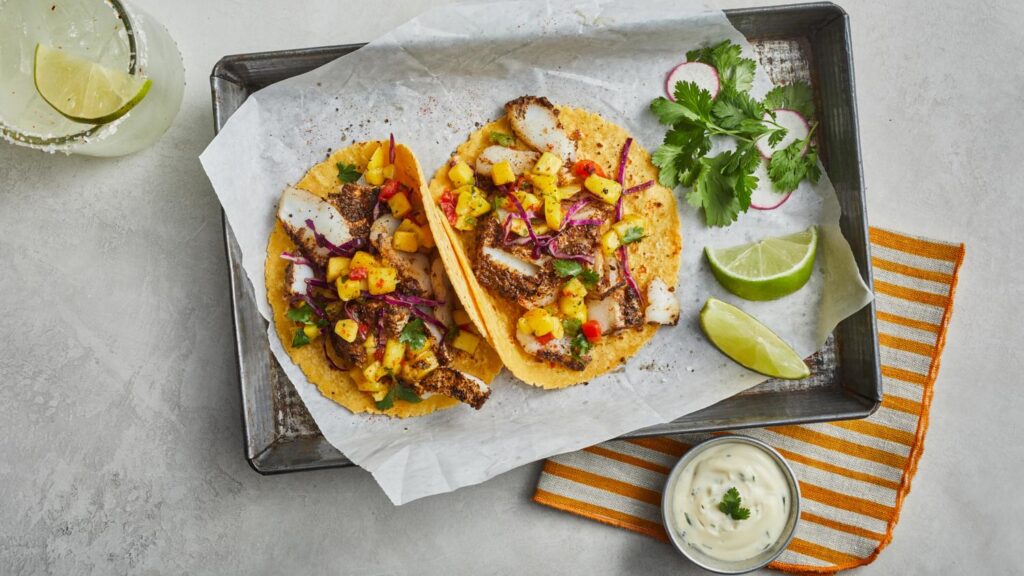
The beauty of Third-Culture Cuisine lies in its flexibility. Operators can experiment with dishes that combine flavors and techniques from different cuisines, offering something for everyone. For instance, a menu could feature Jamaican jerk fish tacos with blackened (a well-known Cajun cooking technique) white fish seasoned with Jamaican jerk paste (a trending Caribbean seasoning), appealing to diners who are seeking an approachable dish that is both familiar and unique.
3. Emphasize Comfort with a Twist
Consumers crave comfort foods, but they also want novelty. Third-Culture Cuisine delivers both by reimagining familiar dishes in innovative ways. Think pull-apart cheesy bread elevated with Tuscan tomato sauce, a classic chicken biscuit breakfast sandwich with a harissa-spiked gravy, or a beloved ham & cheese morning roll upgraded with spicy chimichurri. These simple, plus-one concepts make it easy and seamless for operators to elevate everyday dishes with global flare.
Looking for more menu inspiration? Right this way.

Implications For Food Manufacturers
For food manufacturers, Third-Culture Cuisine presents an opportunity to innovate with ingredients that reflect the blending of cultures. This could include:
Globally Inspired Sauces:
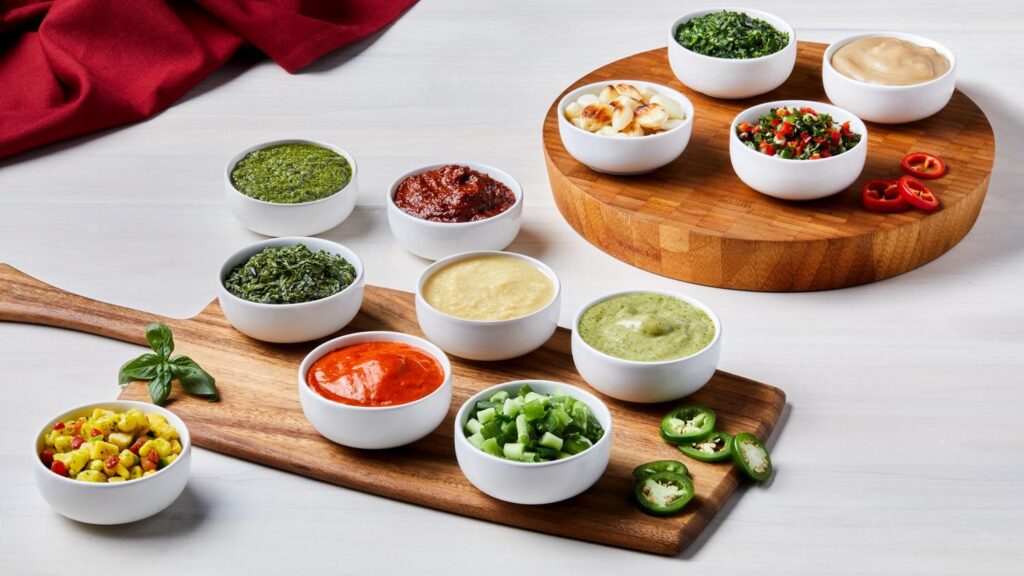
The easiest way to renew a basic product or dish is to add a unique sauce. Work with suppliers that offer ready-made global culinary pastes or source versatile global ingredients that your R&D team can use to create fusion sauces, such as sambal-infused ketchup, smoky pepper crema, or Tuscan aioli for an upgraded American turkey club.
Frozen Meals:
Develop frozen meals inspired by Third-Culture Cuisine, such as Moroccan harissa flatbread or creamy ginger pepper chicken wings.
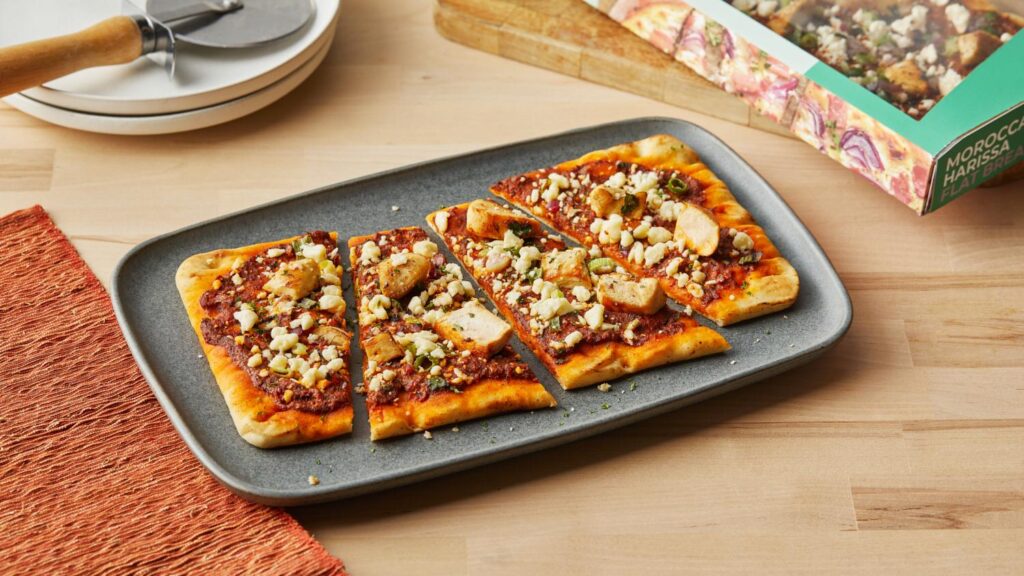
Frozen Moroccan Harissa Flatbread
Challenges and Considerations
While Third-Culture Cuisine offers exciting opportunities, it also comes with challenges. Operators, manufacturers, and retailers must approach this trend thoughtfully to avoid accusations of cultural appropriation or insensitivity. Here are some best practices:
Collaborate with Diverse Voices:
Partner with chefs and culinary experts from diverse backgrounds to ensure that dishes and products are respectful and authentic in spirit.
Educate Staff:
Train front-of-house staff to explain the inspiration behind menu items, ensuring they can answer questions knowledgeably and respectfully.
Highlight the Chefs’ Stories:
Consumers appreciate transparency. Share the personal stories behind the dishes, emphasizing the chefs’ connections to the flavors and techniques they’re using.
Avoid Stereotypes:
Steer clear of caricatures or oversimplifications of any culture. Focus on celebrating the complexity and richness of culinary traditions.

“Keep in mind ‘fusion, not confusion’. Fusion concepting requires diligent culinary thoughtfulness to ensure that the flavor twist pairs well with the traditional format. The goal should be taking the format to the next level, not creating something trendy for the sake of being trendy.”
CHEF SCOTT ADAIR
Director of Culinary at SupHerb Farms
The Consumer Appeal of Third-Culture Cuisine
Third-Culture Cuisine resonates with today’s consumers for several reasons:
1. Curiosity:
Diners are increasingly adventurous and eager to try new flavors and combinations.
3. Inclusivity:
This trend reflects the diversity of modern society, offering something that feels relatable to people from various backgrounds.
2. Connection:
Personal storytelling and cultural fusion create an emotional connection, making the dining experience more memorable.
4. Social Media Appeal:
Instagram-worthy dishes with unique flavor profiles are a powerful marketing tool.

Looking Ahead
As society becomes more interconnected, the lines between cuisines will continue to blur. Third-Culture Cuisine is not just a trend for 2025—it’s a reflection of the world we live in today. For foodservice operators, food manufacturers, and grocery retailers, embracing this movement offers a way to connect with consumers on a deeper level, delivering dishes and products that are as innovative as they are personal.
By celebrating the sum of chefs’ experiences and the diversity of flavors that make up our world, Third-Culture Cuisine is redefining what it means to be authentic—and creating a new culinary language in the process.

SupHerb Farms is your partner in innovation to help you bring Third-Culture Cuisine to life with flavorful culinary ingredients. Explore our diverse portfolio of globally inspired ingredients or reach out to us for a completely custom solution.
*These chef and/or menu examples are for educational purposes only. SupHerb Farms does not suggest affiliation with nor endorsement by these talented chefs or restaurant chains.